1#


 此主题相关图片如下: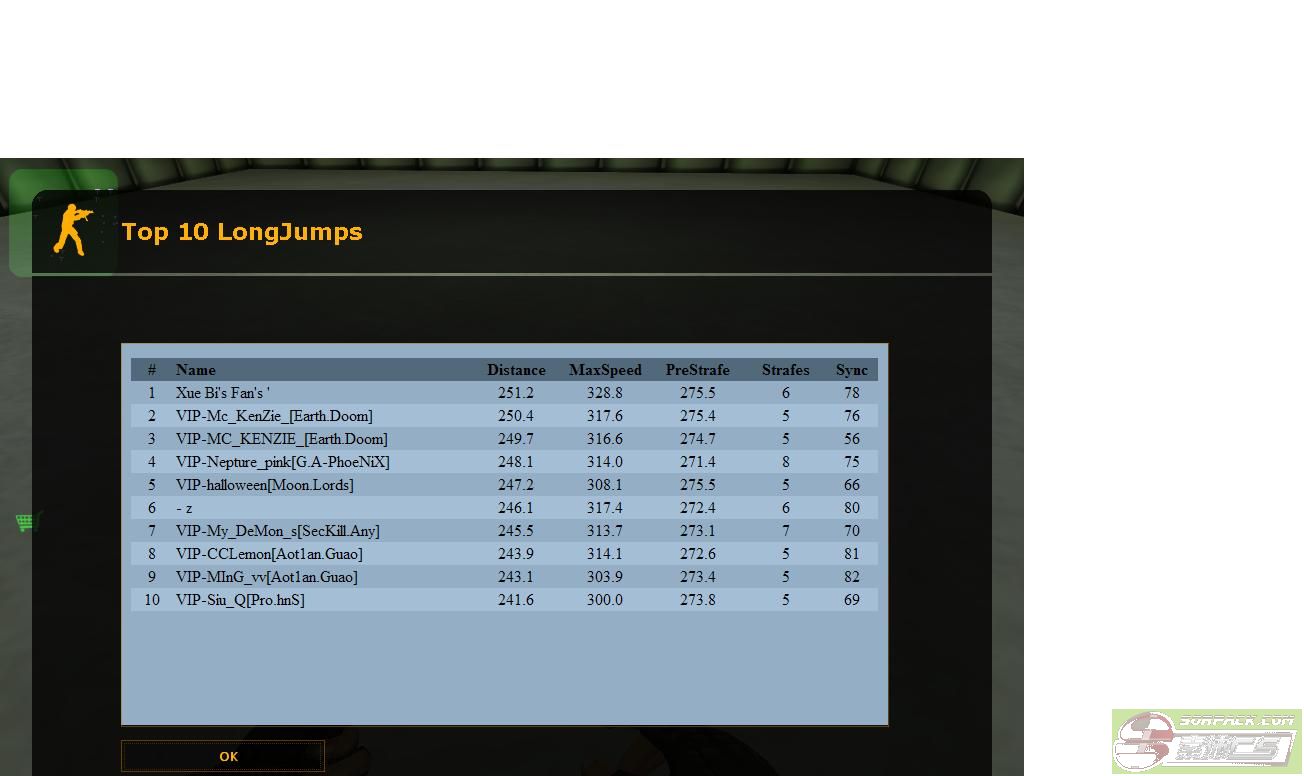



 此主题相关图片如下:
A Literary Device is a technique that shapes narrative to
produce an effect on the reader
A plot device is an object, a character or a concept introduced
into the story by the author to advance its plot.
A Plot Twist is any
unexpected turn of the story that gives a new view on its entire topic. A plot
twist at the end of the story is called a twist ending.
A Flashing Arrow is a
technique used to focus the reader's, but not the characters', attention on an
object or a location that will be important later in the story.
A Red Herring is a plot
device that distracts the reader's attention from the plot twists that are
important for the story. It is used to maintain tension and uncertainty.
A Deathtrap is a plot device
that the villain uses to try to kill the protagonist and satisfy his own
sadistic desires.
A Comic Book Death is a
technique makes a major character die or disappears 'for forever', but
character re-appears later in the story.
A Dark and Stormy Night is a
cliché-like opening that usually includes darkness, violent lightning
and a general mood of solitude. is a cliché-like opening that usually
includes darkness, violent lightning and a general mood of solitude.
Reverse Chronology is
technique where begins at the end and works back toward the beginning.
In medias res is a literary
technique where the narrative starts in the middle of the story instead of from
its beginning. The characters, setting, and conflict are often introduced
through a series of flashbacks.
Some items and objects in the story may have a special
significance for the plot. These can be divided into several categories:
Chekhov's Gun is an item
that is introduced early in the story and plays a crucial role later on.
MacGuffin is an item whose
nature is never quite explained to the reader but is a prime motivation for the
characters.
A Plot Coupon is an object
that is crucial for resolving the conflict and completing the story. Commonly,
it is a supernatural artefact divided into several parts and scattered all over
the world.
A Plot Voucher is an object
similar to both plot coupon and Chekhov's gun: it is usually presented to the
protagonist at the beginning of the story and plays an important role in the
resolving of the conflict.
Characters share with the reader visions of the past or the
future in order to explain a character's motives or certain plot twists.
A Dream Sequence is a series
of dreams which allow a character to see events that occur or have occurred in
another time.
Analepsis (flashback)
presents events previous to the current time frame. Flashbacks are usually
presented as characters' memories and are used to explain their backgrounds and
the back-story.
Racconto is very much like a
flashback but is usually somewhat longer and more gradual.
Prolepsis (flash-forward)
presents events that will occur in the future.
Prophecy is often used
science fiction to underline their futuristic structure.
Foreshadowing is a
premonition, much like a flash-forward, but only hints at the future.
Had-I-Known is a form of
foreshadowing that describes the consequences of a mistake a character is about
to make.
There are several patterns for story endings:
A Cliff-hanger is an abrupt
ending that leaves the plot incomplete , without denouement. It often leaves
characters in a precarious or difficult situation which hint at the possibility
of a sequel.
A Twist Ending is an
unexpected finale that gives an entirely new vision on the entire plot. It is a
powerful technique but it can leave the reader dissatisfied and frustrated.
A Happy Ending is a finale
when everything ends in the best way for the hero.
Poetic Justice is a type of
a happy ending where the virtue is rewarded and the vice is punished.
Deus ex machina a plot
device dating back to ancient Greek theatre, where the conflict is resolved
through a means (by god, deus) that seem unrelated to the story. This allows
the author to end the story as desired without following the logic and
continuity of the story.
 Not Score Its LJ